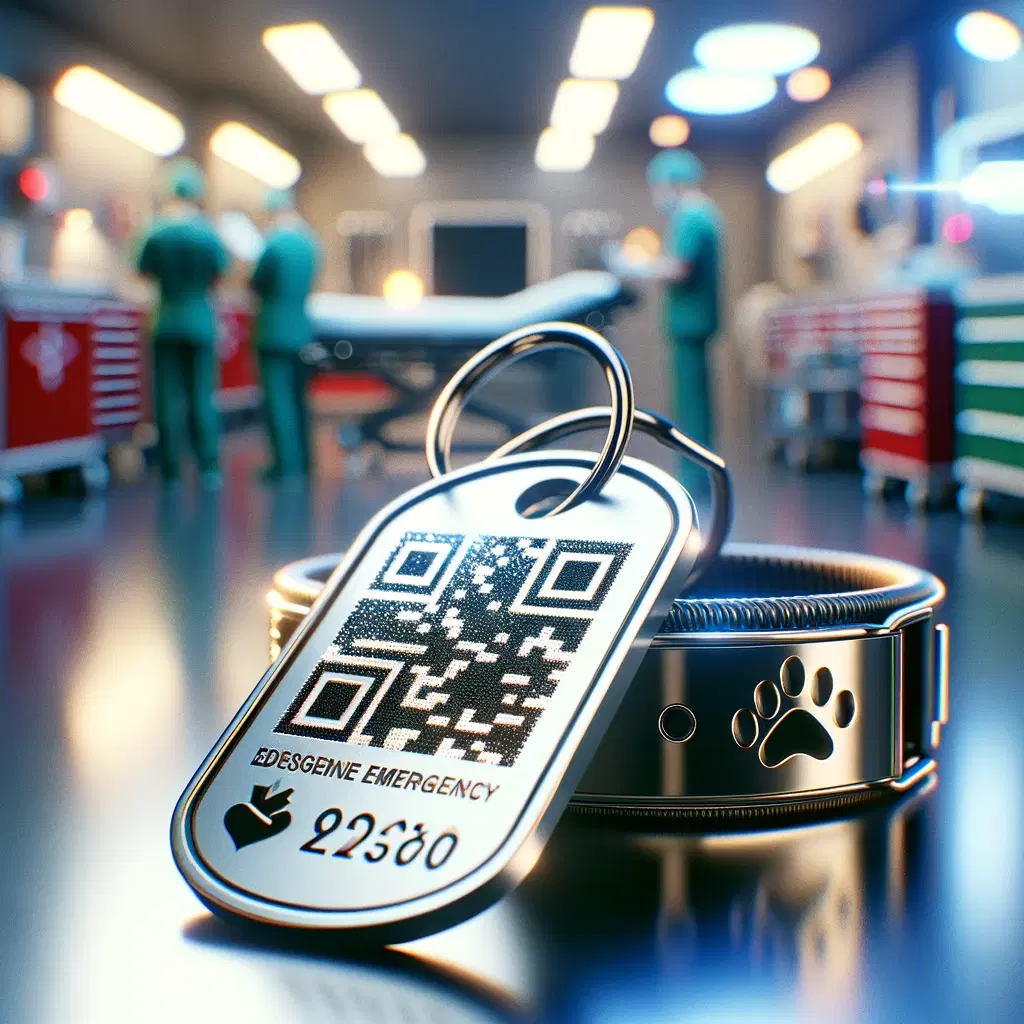
Secure Identification Systems via QR Codes: A Modern Approach to Safety and Preparedness
In today's world, where emergencies and unexpected situations arise more frequently, the importance of having a secure and efficient identification system cannot be overstated. QR codes, a technology once primarily used for marketing, have found a new and crucial role in emergency preparedness and identification processes. This advancement is not only transforming the way personal identification is carried out but also enhancing safety measures for pets, military personnel, and first responders.
The Evolution of Identification: From ID Cards to QR Codes
Traditional forms of identification, such as ID cards and dog tags, have been essential tools for personal identification and emergency preparedness. However, the advent of QR code technology has significantly expanded the capabilities of these identification methods. QR codes can store a vast amount of information in a compact form, making them an ideal solution for secure and accessible identification.
Emergency Preparedness and QR Codes
Emergency situations demand rapid response and access to accurate information. QR codes embedded on ID cards or dog tags can contain critical data such as medical records, emergency contacts, and other vital personal information. This ensures that, in the event of an emergency, first responders can quickly scan the QR code to retrieve necessary details, facilitating immediate and appropriate care.
Pets: Safeguarding Our Furry Friends
For pet owners, the fear of losing a pet is profound. Traditional tags provide basic information, but QR codes can revolutionize pet identification. A QR code tag on a pet's collar can link to comprehensive data, including the pet's medical history, owner's contact information, and even behavioral details. This system not only aids in the quick return of lost pets but also ensures they receive proper care in emergencies.
Military Use: Enhancing Soldier Safety
In military operations, identification and access to personal data must be swift and secure. QR codes on dog tags offer a modern solution, encoding critical information such as blood type, medical conditions, and identification numbers. This ensures that, in the chaos of conflict, individual soldiers can be quickly and accurately identified, receiving the necessary medical attention or support.
First Responders: Streamlining Emergency Response
For first responders, every second counts. Integrating QR codes into first responders' ID systems allows for instant access to their medical information, emergency contacts, and identification. This is not only crucial in the event a responder is incapacitated but also enhances the coordination and efficiency of emergency response teams.
Conclusion
Adopting QR code technology for identification purposes involves several key steps, including designing the QR system to meet specific needs, ensuring the security of personal information, and educating stakeholders on effective usage. The integration of QR codes into identification systems represents a significant leap forward in emergency preparedness and personal security, setting a new standard for safety in various sectors.
Related Articles
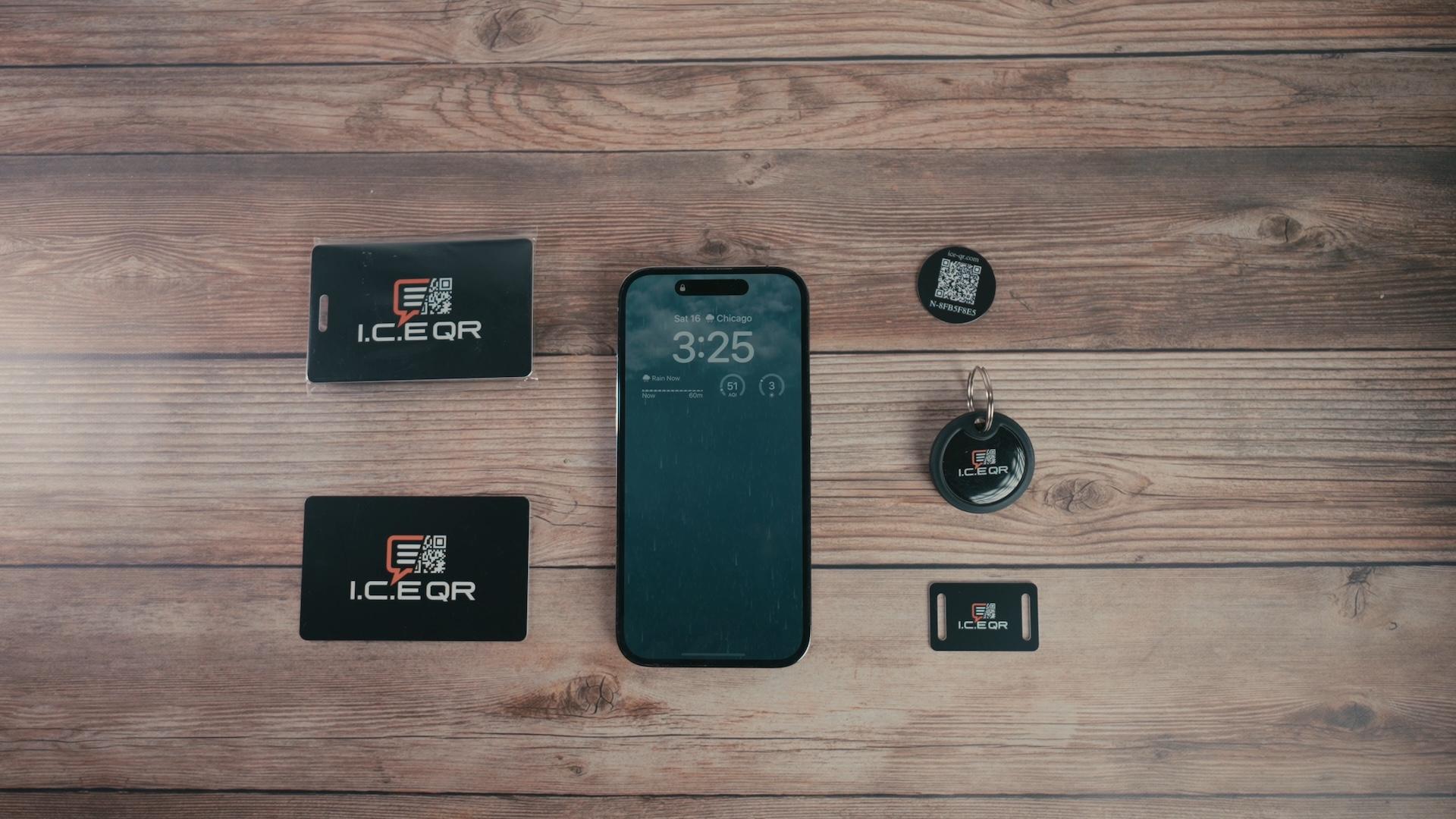
The Future of Personal Safety - How I.C.E QR is Changing the Game
In a world where safety and security are more important than ever, innovative solutions are key to staying ahead. Enter ...
Emergency Contact Smart Tags: The Simple Way to Keep Your Family Safe
Have you ever worried about what would happen if you or someone you love got lost or had an emergency and couldn't tell ...
Active vs Passive Tracking Devices in Smart Tags for Emergencies
Discover the key differences between active GPS tracking and passive QR/NFC-based tracking for smart tags in emergency r...
Stay Informed on Smart Tag Technology
Get the latest articles about QR codes, NFC technology, and emergency preparedness delivered to your inbox.
Explore Our Products